Raise your project management to a new quality standard


 Step 1
 The first step toward a successful transformation begins with selecting the right project type.
This forms the foundation for all subsequent steps and determines the course of your process map.
 Step 2
 To make your process map accurate and complete, you need to identify and validate all relevant tasks and information. This step ensures your data is reliable and accurate.
 Step 3
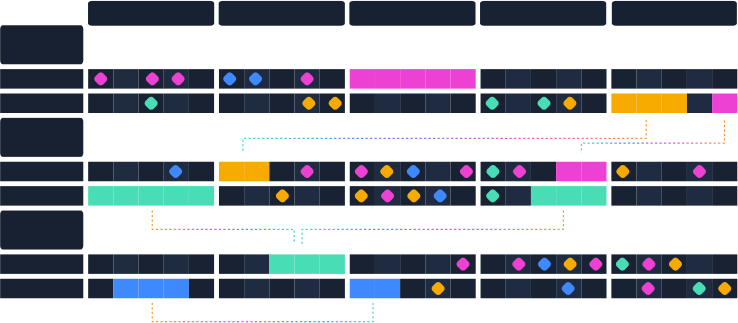
 With PCPX, you create the initial blueprint for your project. The process map will serve as your navigation tool and structure the entire project process.
 Step 4
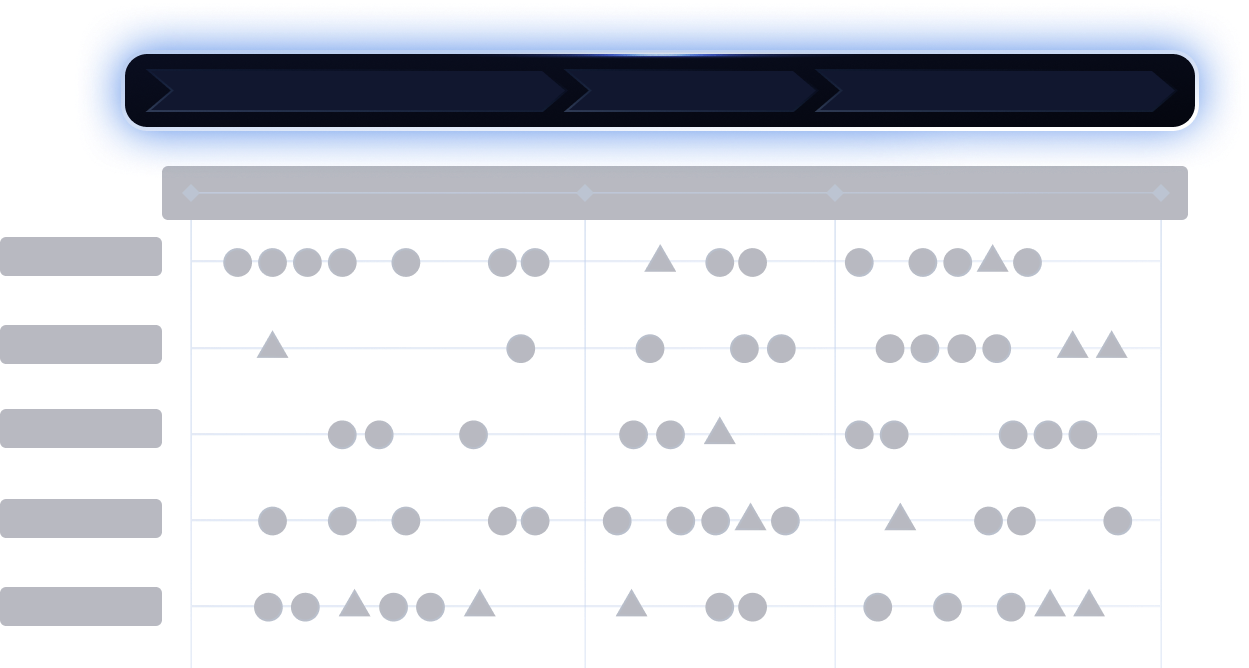
 Define clear project phases to organize the process and timeline of your project. This step gives you an overview of the entire project process.
 Step 5
 For a project to be successful, the right people must take on the right tasks. This step ensures a clear distribution of roles and responsibilities within the project team.
 Step 6
 Key points allow you to effectively monitor the progress of your project. They identify critical work packages and deliverables that must be completed by a specified date.
 Step 7
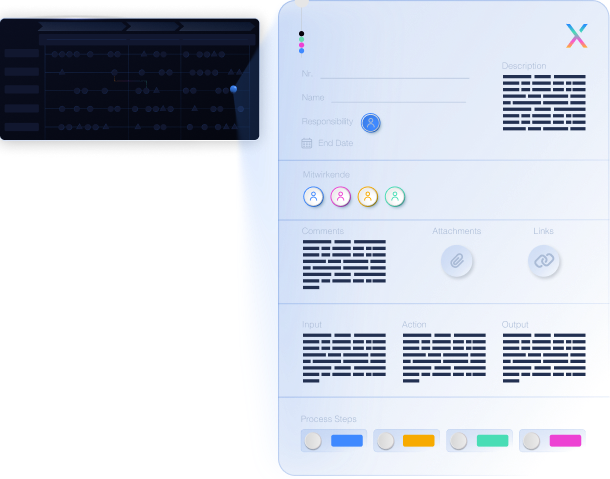
 Each cornerstone is defined by specific process steps that represent the
necessary activities and prerequisites for completion.
 Step 8
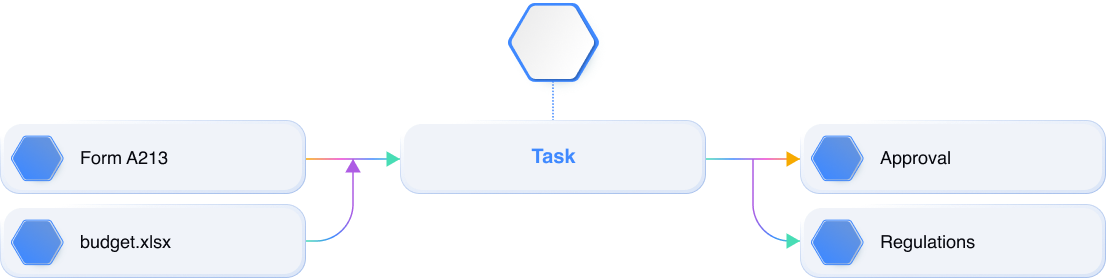
 In the next step, the predecessor and successor key points must be linked to create a process chain. These links create a visual flow between the key points, making it clear which key point depends on which. This step ensures that the dependencies in the project are clearly structured and presented in a comprehensible manner, enabling efficient project management.
 Step 9
 Quality gates are critical to ensuring that project progress meets established quality standards.
They define points in the process at which quality requirements are verified.
 Step 10
 Once all steps are completed, your process map is now available. It is the foundation for the successful implementation and management of your project.